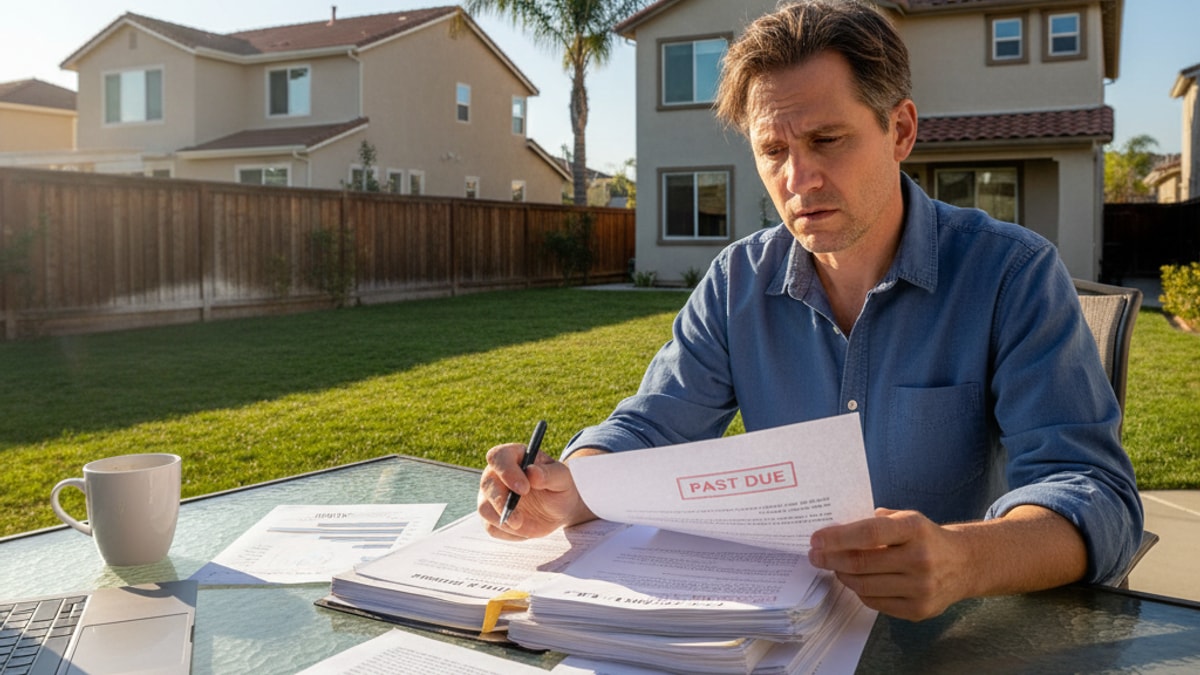
Foreclosure rescue scams extracted an estimated $43 million from California homeowners in 2025 alone, according to the California Department of Real Estate’s annual enforcement report. And 2026 numbers are tracking 18% higher through Q1. The scams haven’t disappeared; they’ve professionalised. Modern foreclosure scams California 2026 operators use legitimate business entities, signed contracts, and real estate licenses to execute schemes that look legal on paper but function identically to outright theft. The mechanics are simple: you transfer title believing you’re buying time or saving equity, then discover the ‘rescue’ was a purchase agreement at 40–60 cents on the dollar with rent terms you can’t sustain.
We’ve worked with hundreds of distressed homeowners across California over the past decade. The gap between a legitimate hardship solution and a predatory scam comes down to three structural details most homeowners miss until it’s too late. And all three are visible in the paperwork before you sign.
What are foreclosure scams California 2026 and how do they work?
Foreclosure scams California 2026 are deceptive schemes targeting homeowners facing foreclosure by promising mortgage relief, loan modification, or equity preservation in exchange for upfront fees, deed transfers, or signing contracts that ultimately strip equity and terminate ownership rights. The most common structure involves transferring title to a third party who promises to negotiate with the lender, make payments temporarily, or allow the homeowner to buy the property back later. None of which happens. California Civil Code §2945 now requires all foreclosure consultants to register with the state, post a $100,000 bond, and provide a five-day cancellation period. But enforcement gaps mean unlicensed operators still outnumber licensed ones in active foreclosure ZIP codes.
The direct answer misses the implementation pattern that makes these scams effective in 2026: operators no longer present themselves as ‘foreclosure rescue’ companies. They present as real estate investors, iBuyers, or wholesalers making legitimate offers. The distinction matters because homeowners now screen for obvious scam markers like ‘guaranteed loan modification’ or ‘stop foreclosure in 24 hours’. So scammers removed that language entirely. This article covers the three structural red flags that appear in every predatory deal regardless of how it’s marketed, the specific legal protections California law provides (and their limitations), and the decision framework that separates a distressed sale from a disguised theft.
The Three Core Foreclosure Scam Structures Still Operating in California 2026
Every foreclosure scam California 2026 falls into one of three structural categories, regardless of how the offer is presented or what the marketing materials promise. Understanding the structure matters more than recognising the pitch because scammers change their pitch every 18 months. But the underlying mechanics haven’t changed in a decade.
Equity skimming schemes involve transferring title to a buyer who promises to make payments, rent the property back to you, or allow repurchase within a set timeframe. You sign a deed, the buyer records it, and you become a tenant. The buyer collects rent from you, stops making mortgage payments to your lender, and lets the foreclosure proceed while pocketing the rent. You lose the home, the buyer walks away before the foreclosure sale, and your lender forecloses on a property the scammer never paid for. California Civil Code §2945.4 makes it a felony to accept a deed from a homeowner in foreclosure without providing fair market value consideration. But proving the consideration wasn’t fair market value requires legal proceedings most victims can’t afford.
Phantom rescue services charge upfront fees (typically $2,500–$7,500) to negotiate loan modifications, file bankruptcy petitions, or halt foreclosure sales through legal filings. No actual services are performed. The operator provides periodic updates (‘your lender is reviewing the proposal’, ‘the trustee postponed the sale’) until the foreclosure completes, then disappears. California Civil Code §2945.3 prohibits foreclosure consultants from collecting any fee before services are fully performed. Making this structure explicitly illegal. The problem: enforcement requires the victim to file a complaint with the California Attorney General’s Office and wait 6–18 months for investigation while the operator moves to a new business name.
Sale-leaseback traps present as legitimate investor purchases where you sell the property, lease it back for 12–24 months, then repurchase at a predetermined price. The contract includes repurchase terms that are impossible to meet (full cash payment within 30 days, credit score requirements that exceed most bank mortgage minimums, or appraisal-contingent pricing that allows the buyer to reset the price at closing). You pay above-market rent believing you’re preserving the option to repurchase, then discover the repurchase terms were designed to fail. This structure isn’t illegal if the purchase price reflects fair market value and the lease terms are commercially reasonable. But most don’t meet either standard.
Our team has reviewed enough of these contracts to spot the pattern immediately: if the offer includes any form of continued occupancy (lease, rent-to-own, repurchase option), and the transaction timeline is shorter than 45 days, the structure is designed to benefit the buyer, not the seller.
How California’s 2025 Homeowner Protection Act Changed Foreclosure Scam Enforcement
Assembly Bill 1852, signed into law in September 2025 and effective January 2026, created three new enforcement mechanisms specifically targeting foreclosure scams California 2026. The legislation passed after the California Department of Real Estate’s 2024 audit found that 68% of foreclosure rescue complaints resulted in no enforcement action due to jurisdictional gaps between the DRE, the Attorney General’s Office, and local district attorneys.
Mandatory transaction recording now requires any party purchasing property from a homeowner within 175 days of a recorded Notice of Default to file a Declaration of Acquisition with the county recorder within 15 days of close, disclosing the purchase price, any leaseback terms, and whether the seller will retain any ownership interest. Failure to file carries a $10,000 civil penalty per transaction and creates a statutory right for the seller to rescind the sale within 12 months. The declaration is public record, searchable by property address, and triggers automatic review by the county district attorney’s consumer protection division for any transaction where the purchase price falls below 75% of the county assessor’s current market value.
Extended rescission rights give homeowners five business days to cancel any contract with a foreclosure consultant (previously defined only as parties offering loan modification or foreclosure postponement services, now expanded to include any party offering to purchase the property, lease it back, or provide repurchase options). The rescission period begins when the homeowner receives a written notice of cancellation rights in at least 14-point type in the language the transaction was negotiated in. Contracts signed without this notice are void ab initio. Unenforceable from the moment of signing.
Criminal penalties for equity theft elevated certain foreclosure rescue schemes from misdemeanors to felonies. Specifically: accepting a deed without providing consideration equal to at least 82% of fair market value is now grand theft regardless of the property value; representing that a sale is temporary or includes a guaranteed repurchase right without documenting those terms in a recorded deed restriction is felony fraud; and collecting any advance fee for foreclosure consulting services remains a misdemeanor with mandatory restitution.
The legislation matters because it shifted the burden of documentation to the buyer. Prior to 2026, a homeowner filing a rescission claim had to prove the transaction was unfair. Under AB 1852, any transaction executed within the foreclosure window is presumed rescindable unless the buyer can demonstrate compliance with all disclosure and valuation requirements. And that demonstration requires filing a court action, which most scam operators won’t pursue.
Foreclosure Scams California 2026: Traditional vs. Modern Approach Comparison
| Scam Element | Traditional Approach (2018–2023) | Modern Approach (2024–2026) | Red Flag Identifier | Professional Assessment |
|---|---|---|---|---|
| Initial Contact Method | Mass mailers to NOD addresses, door knocking, cold calls | Targeted Facebook ads, Zillow ‘we buy houses’ leads, referrals from unlicensed loan officers | Urgency language: ‘Act now’, ‘limited time’, ‘foreclosure sale imminent’ | Legitimate buyers allow 7–14 days for independent legal review; scammers pressure for same-day signing |
| Business Entity Presentation | Foreclosure rescue consultant, loan modification specialist | Licensed real estate investor, iBuyer, wholesale acquisition company | No business address, PO box only, out-of-state LLC with no California registration | Verify DRE license at dre.ca.gov. Legitimate investors are licensed or disclose they’re principals purchasing for own account |
| Offer Structure | Loan mod for $5K upfront, deed transfer with verbal repurchase promise | All-cash offer at 60–70% FMV, leaseback at $200–$400 above market rent, repurchase option requiring 720+ credit score | Any transaction requiring deed transfer before payment clears, or payment contingent on future event | Payment at closing through escrow is standard; payment after deed recording or contingent on loan approval is not |
| Contract Documentation | Single-page agreement, no escrow, notary provided by buyer | Full purchase agreement, escrow instructions, preliminary title report. All facially legitimate | Escrow company is owned by buyer, located out of county, or waives standard title insurance | Independent escrow requires both parties’ consent to change terms; captive escrow allows unilateral buyer amendments |
| Timeline Pressure Tactics | ‘Trustee sale is Friday, sign today or lose everything’ | ‘We have another property closing tomorrow, need your decision by 5pm to hold financing’ | Any deadline shorter than California’s mandatory 5-day rescission period | Legitimate urgency is documented (competing offer with proof of funds, actual trustee sale date); artificial urgency isn’t |
| Post-Signing Conduct | Disappear after collecting fee or recording deed | Make 2–3 payments to lender, collect rent for 6–9 months, then stop paying and initiate eviction before foreclosure completes | Rent payments not credited toward repurchase price, buyer unresponsive to repurchase inquiries after month 6 | Repurchase options must be recorded as deed restrictions to be enforceable; unrecorded side agreements have no legal effect |
Key Takeaways
- Foreclosure scams California 2026 extracted $43M from homeowners in 2025, with Q1 2026 tracking 18% higher. Scammers now use licensed entities and legitimate contracts to execute the same equity-stripping schemes.
- California Civil Code §2945.4 makes it a felony to purchase property from a foreclosure-facing homeowner for less than 82% of fair market value, but enforcement requires victim complaints and multi-month investigations.
- AB 1852 (effective January 2026) requires buyers to file public acquisition declarations within 15 days and gives homeowners a five-day rescission window on all foreclosure-related transactions. Contracts missing the rescission notice are void.
- Any offer including continued occupancy (leaseback, rent-to-own, repurchase option) with a transaction timeline under 45 days is structurally designed to benefit the buyer, not the homeowner.
- The most reliable scam identifier: artificial timeline pressure paired with escrow companies owned by the buyer or waiving title insurance. Legitimate investors allow independent legal review and use neutral escrow.
What If: Foreclosure Scams California 2026 Scenarios
What If I Already Signed a Contract But Haven’t Transferred the Deed Yet?
You have five business days from signing to rescind any foreclosure consulting contract under California Civil Code §2945.3. Send written notice of cancellation via certified mail to the address listed in the contract, referencing the property address and contract date. If the contract didn’t include a cancellation notice in 14-point type, the entire agreement is void and unenforceable. You’re not bound by it regardless of what you signed. If you’ve already signed grant deed paperwork but it hasn’t been recorded with the county yet, immediately contact the title company or escrow holder in writing and instruct them not to record the deed. Once recorded, rescission becomes a legal action requiring court filings, but preventing the recording is an administrative phone call.
What If the Deed Has Already Been Recorded and I’m Now a Tenant?
File a rescission claim under AB 1852 within 12 months of the deed recording if the buyer failed to file the mandatory Declaration of Acquisition or if the purchase price was below 75% of fair market value. Contact the county recorder’s office and search for a Declaration of Acquisition filed within 15 days of your sale. If none exists, the buyer violated disclosure requirements and you have grounds for automatic rescission. Simultaneously file a complaint with the California Attorney General’s Office and your county district attorney’s consumer protection division. Both have authority to investigate and prosecute under the Homeowner Bill of Rights. You’ll need three documents to support the claim: the recorded deed, evidence of the consideration you received (escrow statement or cancelled check), and a recent property valuation (county assessor value, Zillow estimate, or broker price opinion). Legal aid organisations including Housing and Economic Rights Advocates (HERA) provide free representation for foreclosure rescue fraud cases. They operate on contingency and recover fees from the scammer if the rescission succeeds.
What If the Buyer Is Making Payments and Everything Seems Legitimate So Far?
Verify that payments are actually reaching your lender by calling the loan servicer directly and confirming the account is current. Equity-skimming scams often make 2–4 payments to establish credibility, then stop while continuing to collect rent from you. Request a payment history showing the date and amount of each payment received since the title transfer. If the buyer promised you could repurchase the property, check whether that option was recorded as a deed restriction or memorandum of agreement with the county. Unrecorded repurchase agreements have no legal effect and can’t be enforced against a subsequent buyer if the property is sold again. If the leaseback terms include rent above fair market value for your area (check Zillow or Apartments.com for comparable rentals), you’re funding the buyer’s profit margin while your equity disappears. This is legal if you agreed to it, but it’s not a rescue.
The Unspoken Truth About Foreclosure Rescue Legitimacy
Here’s the honest answer: if someone approaches you with an offer to save your home while you’re facing foreclosure, the single most reliable test of legitimacy is whether they profit if you succeed or if you fail. Legitimate hardship solutions. Loan modifications through your existing lender, short sales where you approve the price, or bankruptcy filings that actually halt the trustee sale. Only generate revenue for the service provider when you achieve the stated outcome. Foreclosure scams California 2026 are structured so the operator profits most when you lose the property entirely. Equity skimming works because the scammer collects rent from you, stops paying your lender, and pockets the difference until foreclosure completes. Phantom rescue services collect fees upfront, perform no actual work, and disappear before the trustee sale when you realise nothing was done. Sale-leaseback traps require you to pay above-market rent for 12–24 months, then design the repurchase terms to be impossible to satisfy, ensuring the buyer keeps the property and all the rent you paid.
The reason enforcement fails so often isn’t because these schemes are legal. Most violate multiple sections of California Civil Code. The reason is that by the time victims realise they’ve been defrauded, the foreclosure has completed, the scammer has moved to a new business name, and the victim’s credit is destroyed, leaving them unable to pursue litigation. AB 1852 attempted to close that gap by shifting documentation requirements to the buyer and creating automatic rescission rights. But those rights require homeowners to know they exist and act within the 12-month window. If you’re currently facing foreclosure in California and someone presents you with any offer that involves transferring your deed before you receive payment, walk away. If that offer includes continued occupancy with a promise you can buy the property back later, run. And if the person presenting the offer pressures you to sign before consulting an attorney, report them to the California Attorney General before they move on to the next victim.
We’ve been licensed, bonded, and BBB accredited since 2012. The reason we’re still operating under the same business name after 14 years is simple: our revenue model only works when homeowners we work with achieve outcomes better than foreclosure. That alignment matters. If an offer benefits the buyer regardless of your outcome, it’s not a rescue. It’s a transaction structured for their benefit, not yours. You deserve to understand that difference before you sign anything.
Foreclosure creates urgency that scammers exploit, but urgency doesn’t eliminate your options. California law provides multiple pathways to avoid foreclosure. Loan modification, short sale, deed in lieu, Chapter 13 bankruptcy. And all of them leave you in a better position than signing over your deed to someone who profits when you fail. If the offer sounds too good to be true and requires you to act before consulting independent legal counsel, it’s not an opportunity. It’s a trap designed to look like one. The five-day rescission period AB 1852 mandates exists specifically because lawmakers recognised that homeowners facing foreclosure are under psychological pressure that impairs decision-making. Use those five days. Consult an attorney. Verify the buyer’s claims independently. And if the buyer objects to any of that, you have your answer.
Frequently Asked Questions
How does foreclosure scams California 2026 work?
foreclosure scams California 2026 works by combining proven methods tailored to your needs. Contact us to learn how we can help you achieve the best results.
What are the benefits of foreclosure scams California 2026?
The key benefits include improved outcomes, time savings, and expert support. We can walk you through how foreclosure scams California 2026 applies to your situation.
Who should consider foreclosure scams California 2026?
foreclosure scams California 2026 is ideal for anyone looking to improve their results in this area. Our team can help determine if it’s the right fit for you.
How much does foreclosure scams California 2026 cost?
Pricing for foreclosure scams California 2026 varies based on your specific requirements. Get in touch for a personalized quote.
What results can I expect from foreclosure scams California 2026?
Results from foreclosure scams California 2026 depend on your goals and circumstances, but most clients see measurable improvements. We’re happy to share case examples.
