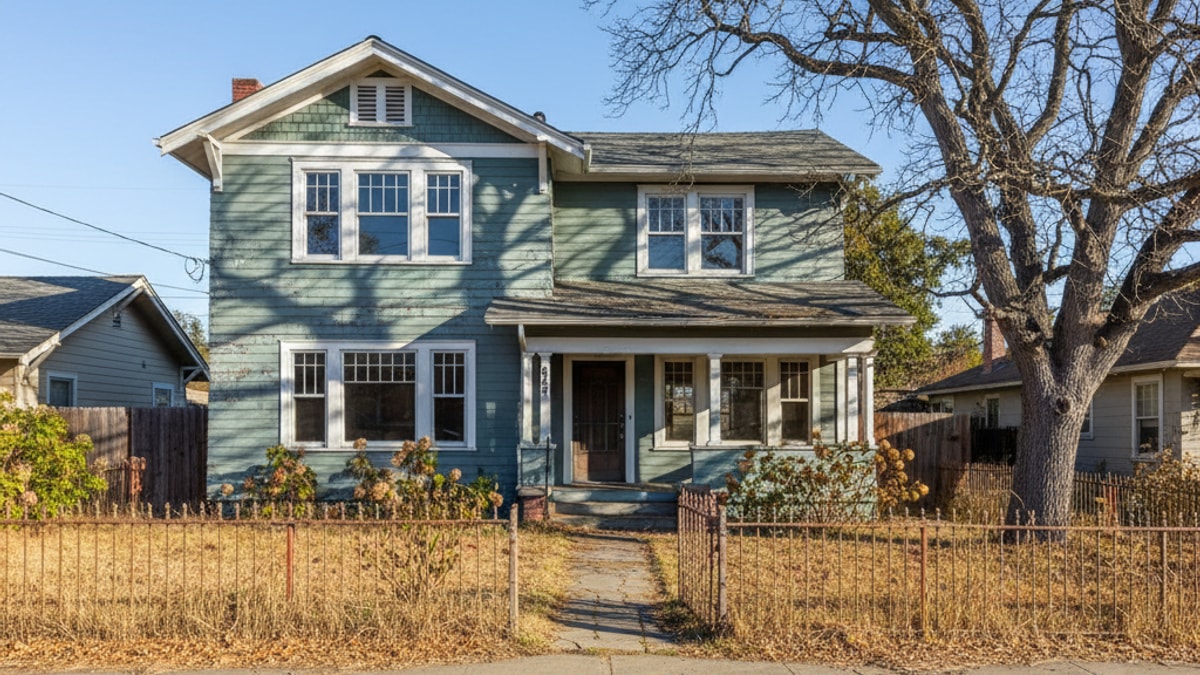
Stigmatized Property California — Disclosure Laws & Buyer Rights
California’s 2026 real estate market operates under one of the nation’s most explicit stigmatized property disclosure frameworks. Civil Code Section 1710.2 establishes a three-year lookback period for deaths occurring on residential property, with narrow exceptions for AIDS-related deaths (never requiring disclosure regardless of timing). The statute’s intent is straightforward: recent material facts about a property’s history belong in the buyer’s hands, but sellers aren’t obligated to carry disclosure burdens indefinitely for events that occurred years or decades prior. Most disputes over stigmatized property California transactions center not on whether disclosure was required, but on whether the seller had actual knowledge of the triggering event and whether the three-year window applied at the time of sale.
Our team works directly with homeowners navigating complex property conditions across California. Including properties carrying reputational burdens that affect marketability without always triggering statutory disclosure. The gap between legal obligation and market reality matters here: a property can be fully compliant with disclosure law and still face buyer resistance, financing complications, or price reductions tied to stigma that falls outside the three-year window or never involved death at all.
What makes a property legally stigmatized in California, and what must sellers disclose?
A stigmatized property California qualifies as such when a death occurred on the premises within three years of the sale date, excluding deaths from natural causes if the buyer does not specifically ask. Suicides, homicides, accidental deaths, and deaths under investigation must be disclosed within the three-year period. AIDS-related deaths are statutorily exempt from disclosure at any time under California Civil Code Section 1710.2(b). Reputation-based stigma. Like a property’s association with criminal activity not involving death, alleged hauntings, or high-profile media coverage. Carries no statutory disclosure requirement but may still influence buyer decisions and sale outcomes.
The direct answer focuses on death-related disclosure because that’s what the statute addresses. But the market definition of a stigmatized property California extends further. Buyers often hesitate to purchase homes where meth labs operated, where violent crimes occurred but no one died, or where the property gained notoriety through media attention. None of those scenarios trigger mandatory disclosure under Civil Code 1710.2, yet they demonstrably affect property value and buyer willingness. This article covers the specific events that require disclosure by law, the three-year calculation rule that determines when disclosure obligations expire, the narrow exceptions where disclosure is never required, buyer verification strategies when statutory disclosure doesn’t capture reputational concerns, and the pricing dynamics that separate legal compliance from practical marketability in stigmatized property California transactions.
What California Law Requires Sellers to Disclose
California Civil Code Section 1710.2 establishes a clear three-year disclosure window for deaths occurring on residential property. The clock starts on the date of death and runs through the close of escrow three years later. If a death occurred more than three years before the property changes hands, the seller has no statutory obligation to disclose it, even if the death was violent, high-profile, or widely known in the community. The three-year rule applies uniformly: suicides, homicides, accidental overdoses, and deaths under investigation all fall within the disclosure requirement if they occurred within the lookback period.
Natural causes deaths are treated differently. Sellers must disclose them only if the buyer asks directly. If no inquiry is made, natural causes deaths within three years do not require proactive disclosure. This carve-out reflects the legislature’s view that deaths from illness or age, while emotionally significant, lack the same material impact on property desirability as deaths involving violence or trauma. AIDS-related deaths occupy their own category under Section 1710.2(b). They are never subject to mandatory disclosure, regardless of when they occurred or whether the buyer asks. This provision was enacted to prevent discriminatory avoidance of properties based on former occupants’ health status.
Rental properties and commercial properties are generally exempt from the three-year disclosure rule unless the death occurred in a unit currently being sold as part of a larger transaction. A death in an apartment building’s common area or in a neighboring unit does not create a disclosure obligation for a seller in the same building, even if the event was traumatic or publicized. The statute applies to the specific dwelling unit where the death occurred, not to the broader property or complex.
How Buyers Verify Stigma When Disclosure Isn’t Required
Statutory disclosure covers only the three-year window. Events outside that period, or non-death events that carry reputational stigma, won’t appear on seller disclosure forms. Buyers concerned about a property’s full history can access multiple verification sources independently. DiedinHouse.com aggregates public death records, media reports, and user submissions to flag properties where deaths occurred, regardless of timing. The database isn’t exhaustive and occasionally produces false positives, but it covers a meaningful portion of documented deaths tied to specific addresses. County assessor records and property history reports sometimes include notes about notable events, though this varies by jurisdiction and the nature of the incident.
Local police departments maintain public crime logs. Submitting a records request for incidents at a specific address returns assault, drug activity, domestic violence, and property crime reports that wouldn’t trigger statutory disclosure but might affect a buyer’s decision. Media archive searches through local news outlets surface high-profile incidents. Murders, major drug busts, or cases where the property became a crime scene often generate coverage that remains searchable years later. Neighborhood-level crime mapping tools like CrimeReports.com and SpotCrime.com show incident density but don’t always drill down to individual addresses with specificity.
Title companies and real estate attorneys can run supplemental searches as part of due diligence, though standard title searches focus on liens, encumbrances, and ownership chains rather than reputational history. Megan’s Law database searches identify registered sex offenders within proximity but don’t flag properties where offenses occurred unless the offender still resides there. Buyers purchasing a stigmatized property California outside the three-year window carry the burden of independent verification. The seller’s silence isn’t evidence that nothing happened; it’s evidence that nothing statutorily disclosable happened recently.
Stigmatized Property California — Price Impact and Market Dynamics
Properties where violent deaths occurred typically sell at 3–5% below comparable unstigmatized homes in the same neighborhood, according to multiple regression analyses of California transaction data. The discount persists beyond the three-year disclosure window, suggesting that buyer awareness and market perception drive pricing independent of legal obligation. High-profile cases where media coverage was extensive see larger discounts, sometimes reaching 10–15%, particularly when the crime involved children, serial activity, or widespread community fear. Properties associated with meth lab operations or fentanyl overdoses face financing obstacles even after remediation. Lenders require certification that contamination has been fully abated before approving loans, and buyers remain wary even with clean lab reports.
Rental history stigma. Properties where tenants engaged in criminal enterprises, hosted large-scale illegal activity, or created ongoing nuisance complaints. Depresses value less than death-related stigma but still requires pricing adjustment to attract serious offers. Buyers purchasing stigmatized property California often plan to renovate extensively, reasoning that physical transformation reduces psychological association with prior events. Cash buyers dominate this segment because conventional financing underwriting guidelines sometimes flag properties with documented violent history as higher-risk collateral, even when the property’s physical condition is sound.
Our team has worked with sellers navigating exactly this tension. The property is legally compliant, structurally sound, and priced to reflect market reality, but buyer traffic remains thin because the stigma creates hesitation that price alone doesn’t fully overcome. The solution isn’t to conceal history or avoid disclosure. It’s to price accurately from the start, target buyer segments less sensitive to reputational concerns, and present the property’s physical attributes and location value clearly enough that the stigma becomes one factor among many rather than the only factor buyers consider.
Stigmatized Property California — Quick Comparison
| Event Type | Disclosure Required? | Lookback Period | Buyer Verification Method | Typical Price Impact |
|---|---|---|---|---|
| Homicide / Suicide / Accidental Death | Yes. Seller must disclose if within 3 years | 3 years from date of death | County death records, DiedinHouse.com, media archives | 3–10% discount, higher with media coverage |
| Natural Causes Death | Only if buyer asks directly | 3 years from date of death | Same as above. Must ask seller or research independently | Minimal to none if outside 3-year window |
| AIDS-Related Death | Never. Statutorily exempt under Civil Code 1710.2(b) | No lookback. Never disclosed | Public records if death certificate accessible | None. Protected class |
| Meth Lab / Drug Activity | No statutory requirement unless death occurred | None. Reputation-based only | Police incident logs, hazmat remediation records | 5–15% if remediation documented, higher without |
| Violent Crime Without Death | No statutory requirement | None. No legal obligation | Crime mapping tools, police records request, neighborhood inquiry | 2–5% if high-profile, negligible if not publicized |
| Alleged Haunting / Media Notoriety | No statutory requirement | None. No legal standard | Media searches, neighborhood reputation, online forums | Varies. Some buyers attracted, most avoid |
Key Takeaways
- California Civil Code Section 1710.2 requires disclosure of deaths on residential property within three years of sale, excluding natural causes deaths unless the buyer specifically asks.
- AIDS-related deaths are never subject to mandatory disclosure under any circumstance, regardless of timing or buyer inquiry.
- Properties outside the three-year window carry no statutory disclosure obligation, but market stigma persists and affects pricing independent of legal requirements.
- Buyers verifying stigma beyond statutory disclosure rely on DiedinHouse.com, county death records, police incident logs, and media archive searches.
- Violent death-related stigma typically discounts property value by 3–10%, with high-profile cases reaching 15% below comparable unstigmatized homes.
- Meth lab or fentanyl contamination history creates financing obstacles even after certified remediation. Lenders require proof of abatement before approving loans.
- Cash buyers dominate the stigmatized property California market because conventional underwriting flags properties with documented violent history as higher-risk collateral.
What If: Stigmatized Property California Scenarios
What If a Death Occurred 3 Years and 1 Day Before the Sale Closes?
The seller has no statutory disclosure obligation. The three-year window expired one day before close of escrow. However, if the buyer discovers the death post-purchase and can prove the seller had actual knowledge and deliberately timed the sale to avoid disclosure, a fraud claim becomes viable. Courts have upheld that intentional concealment through timing manipulation violates the duty of good faith, even when the letter of the statute is satisfied. Practically, buyers purchasing properties where timing sits near the three-year line should conduct independent verification rather than relying solely on statutory disclosure.
What If the Seller Didn’t Know a Death Occurred on the Property?
California disclosure law requires sellers to disclose facts they know or reasonably should have known. If the death was widely publicized, occurred while the seller owned the property, or was documented in public records the seller reviewed, courts often find constructive knowledge. If the death occurred before the seller’s ownership and left no public trace, the seller has no duty to investigate beyond reviewing available records. Buyers concerned about pre-ownership history bear the verification burden themselves, as seller ignorance of undisclosed events doesn’t create liability if the ignorance was reasonable.
What If the Property Was the Site of a High-Profile Crime but No One Died?
No statutory disclosure requirement exists. Civil Code 1710.2 applies exclusively to deaths, not to crimes without fatalities. The property may still carry market stigma, affect buyer willingness, and require pricing adjustments, but the seller’s silence is legally compliant. Buyers researching properties with suspected criminal history should file public records requests with the local police department for incident logs at the address, search media archives for coverage, and review neighborhood crime mapping data. The absence of disclosure doesn’t mean the absence of history; it means the history doesn’t fall within the statute’s narrow scope.
The Unflinching Truth About Stigmatized Property California
Here’s the honest answer: California’s three-year disclosure window protects sellers from perpetual liability, but it doesn’t erase market memory. A property where a murder occurred five years ago is legally unstigmatized. The seller owes no disclosure. But buyers who research the address will find the history, and many will walk away or demand a discount that reflects reputational damage the law no longer acknowledges. The statute draws a bright line for legal compliance; the market draws a different line based on buyer psychology, media coverage, and community knowledge. Operating at the intersection of those two lines requires pricing honestly from the start, understanding that legal compliance and market acceptance aren’t the same thing, and recognizing that the buyers who will pay fair value for a stigmatized property California are the ones who’ve done their own research and decided the discount justifies the history.
Pricing a stigmatized property at full market rate and waiting for a buyer who doesn’t care rarely works. Those buyers don’t exist in meaningful numbers. Pricing it at a defensible discount that reflects both the physical condition and the reputational burden attracts serious buyers who understand they’re trading stigma for value. If you’re holding a property that carries history outside the three-year window, withholding information isn’t the strategy. Transparent pricing that reflects the reality is.
Our experience across California real estate consistently shows that sellers who acknowledge stigma early, price accordingly, and target informed buyers close faster and with fewer post-sale disputes than sellers who avoid the topic and hope buyers won’t research. The law gives you cover after three years; the market doesn’t. Plan accordingly.
Selling a stigmatized property California isn’t about hiding the past. It’s about pricing the present accurately and finding buyers who value transparency more than perfection. Contact Home Helpers if the property you’re holding carries reputational weight that standard listings won’t resolve. We work directly with sellers navigating exactly this situation, and we’ve closed transactions that other agents walked away from because the stigma felt too complex to price or market. The solution starts with honest assessment, not wishful thinking about what buyers might overlook.
Frequently Asked Questions
How long must a death be disclosed on a property in California?
California law requires disclosure of deaths on residential property for three years from the date of death through close of escrow. After three years, sellers have no statutory obligation to disclose, regardless of how the death occurred. AIDS-related deaths are exempt from disclosure at any time under Civil Code Section 1710.2(b), and natural causes deaths must be disclosed only if the buyer asks directly.
Can I sue a seller who didn’t disclose a death that occurred four years ago?
Generally no — if the death occurred outside the three-year statutory window and the seller had no other disclosure obligation, non-disclosure is legally compliant. However, if you can prove the seller deliberately concealed the death through fraud or misrepresentation (such as lying in response to a direct question), a fraud claim may be viable. Courts examine whether the seller had actual knowledge and acted in bad faith, not just whether the statute’s timeline was satisfied.
What counts as a ‘stigmatized property’ beyond deaths?
Market stigma extends to properties where meth labs operated, violent crimes occurred without fatalities, registered sex offenders resided, or high-profile criminal activity took place. None of these scenarios trigger California’s statutory disclosure requirement under Civil Code 1710.2, but they affect buyer perception, financing availability, and property value. Buyers concerned about non-death stigma must verify independently through police records, crime mapping tools, and media searches.
How much does a stigmatized property sell for compared to similar homes?
Properties where violent deaths occurred typically sell at 3–10% below comparable unstigmatized homes in California, with high-profile cases reaching 15% discounts. Meth lab contamination history can depress value by 5–15% even after certified remediation. The discount persists beyond the three-year disclosure window because buyer awareness and market perception drive pricing independent of legal obligations. Cash buyers often dominate this segment because conventional lenders flag violent history properties as higher-risk collateral.
Do I have to disclose a death if it happened before I bought the property?
Yes, if the death occurred within three years of your sale date and you had actual or constructive knowledge of it. California law requires disclosure of material facts the seller knows or reasonably should have known. If the death was widely publicized, documented in public records you reviewed during your purchase, or disclosed to you by the previous seller, you have constructive knowledge and must disclose. If it occurred before your ownership and you genuinely had no knowledge, your disclosure obligation depends on whether your ignorance was reasonable.
Can buyers back out of a purchase if they discover undisclosed stigma?
It depends on timing and whether statutory disclosure was required. If the death occurred within three years and the seller failed to disclose, the buyer can rescind during escrow or pursue damages post-close for material misrepresentation. If the stigma falls outside statutory requirements (like a four-year-old death or a crime without fatalities), the buyer’s recourse depends on contingency clauses in the purchase agreement — investigation contingencies and financing contingencies give buyers exit paths if they discover deal-breaking information during due diligence.
How do I find out if a death occurred at a property I’m considering?
Start with DiedinHouse.com, which aggregates public death records and media reports for a nominal fee. Request incident logs from the local police department for the property address — this returns documented crimes, overdoses, and deaths investigated by law enforcement. Search county assessor records and media archives for the address to find coverage of high-profile incidents. Ask the seller directly about deaths or violent crimes — if a death occurred within three years, the seller must disclose truthfully.
What is the biggest mistake buyers make with stigmatized properties in California?
Assuming that the absence of disclosure means nothing significant happened at the property. Statutory disclosure covers only the three-year window for deaths — crimes without fatalities, meth lab history, and deaths outside the lookback period carry no disclosure requirement but still affect value and marketability. Buyers who rely exclusively on seller disclosures without conducting independent verification often discover post-purchase that the property carries reputational burdens that weren’t legally required to be disclosed but meaningfully impact resale value and financing.
Does stigma affect my ability to get a mortgage in California?
Sometimes — conventional lenders may flag properties with documented violent death history or meth contamination as higher-risk collateral, requiring additional appraisal review or declining to finance altogether. Meth lab remediation requires certified abatement before most lenders approve loans, and properties with recent high-profile crimes may appraise below contract price, creating financing gaps. Cash buyers dominate the stigmatized property market specifically because financing obstacles complicate conventional sales, even when the property is structurally sound and legally compliant.
Can a landlord be required to disclose a death to prospective tenants?
No — California’s stigmatized property disclosure statute applies only to property sales, not to rental agreements. Landlords have no statutory obligation to disclose deaths, violent crimes, or other stigmatizing events to tenants. However, tenants who discover undisclosed material facts that affect habitability or safety may have grounds to terminate a lease under breach of implied warranty of habitability, depending on the nature of the undisclosed condition.
